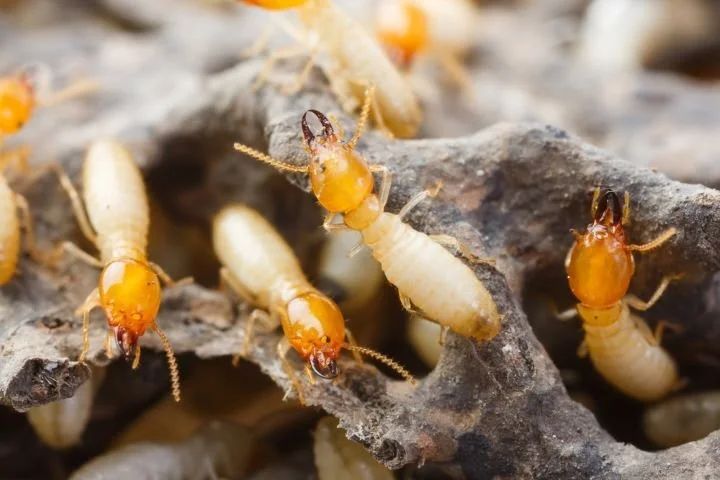

Termites are among the most destructive pests a homeowner can face. Often called “silent destroyers,” these insects can infest a property without obvious signs, quietly eating through wood, flooring, and structural elements. The damage caused by termites can cost thousands in repairs, and without early detection and professional treatment, infestations can escalate rapidly.
Effective termite control is essential to safeguard the integrity of your home. While preventive measures can reduce the risk, professional inspection and treatment are often necessary to completely eliminate the threat and prevent future infestations.
Why Termites Are Dangerous
Termites may seem small, but their impact is massive:
- Structural damage: Termites consume cellulose in wood, weakening beams, floors, and walls. Even minor infestations can compromise a home’s safety.
- Hidden infestations: Termites often remain undetected behind walls, under flooring, and in crawlspaces, allowing damage to accumulate before being noticed.
- Costly repairs: Repairing termite damage can cost thousands of dollars, especially if infestations are discovered late.
- Decreased property value: Homes with termite damage or a history of infestations may lose market value or require disclosure during sale.
Given these risks, proactive termite control is crucial for homeowners.
Types of Termites
Understanding the types of termites helps determine the best control strategy:
- Subterranean termites:
- Live underground and build tunnels to access wooden structures
- Most destructive type due to their large colonies and rapid wood consumption
- Drywood termites:
- Infest dry wood without needing soil contact
- Often found in furniture, beams, and flooring
- Colonies are smaller but still capable of significant damage
- Dampwood termites:
- Prefer moist, decaying wood
- Typically found in logs, stumps, or damp areas near homes
- Less common but still a concern for certain environments
Identifying the termite species is critical for effective eradication and prevention.
Signs of a Termite Infestation
Early detection is essential to minimize damage. Signs of termite activity include:
- Hollow-sounding wood when tapped
- Small piles of wood-colored droppings (frass) near infested areas
- Mud tubes along walls, foundations, or crawl spaces
- Sagging or uneven flooring
- Peeling paint or blistering wood surfaces
Regular inspections, especially in areas prone to moisture, help catch infestations before severe damage occurs.
Termite Prevention Tips
Preventing termites requires both home maintenance and proactive strategies:
- Reduce moisture: Repair leaks, maintain gutters, and ensure proper drainage around the foundation.
- Remove wood-to-soil contact: Keep firewood, mulch, and wooden structures away from direct contact with soil.
- Seal cracks and crevices: Close gaps around foundations, doors, and windows to reduce termite entry points.
- Regular inspections: Schedule professional termite inspections annually or biannually.
- Proper ventilation: Ensure crawl spaces and attics are well-ventilated to reduce moisture buildup.
While these steps reduce risk, professional termite monitoring is often the most reliable method of protection.
Professional Termite Control Methods
Professional pest control services use multiple methods to eliminate termites effectively:
- Baiting systems: Strategically placed bait stations attract termites, which carry insecticides back to the colony.
- Liquid treatments: Barrier treatments applied to soil and foundation lines prevent termites from entering a structure.
- Fumigation: Effective for drywood termite infestations in entire buildings or furniture.
- Monitoring and follow-up: Continuous monitoring ensures colonies are fully eradicated and prevents reinfestation.
Professional treatment is tailored to the species, infestation severity, and property layout, ensuring long-term protection.
Protecting Your Home Long-Term
Even after treatment, ongoing prevention is key to keeping termites away:
- Maintain proper drainage and reduce moisture around the home
- Avoid storing wood or cellulose materials near foundations
- Conduct periodic inspections, especially in vulnerable areas
- Follow guidance from pest control professionals regarding barriers, treatments, or bait station maintenance
Long-term vigilance protects your home from the costly consequences of a termite infestation.
Why Choose Hot Bugz for Termite Control
Partnering with Hot Bugz ensures comprehensive termite protection. Their team offers:
- Detailed inspections to detect termites early
- Expert identification of termite species
- Tailored treatment plans for effective elimination
- Preventive strategies to minimize future infestations
- Ongoing monitoring and support for long-term peace of mind
Hot Bugz combines expertise, technology, and experience to safeguard homes from these destructive pests, protecting both property and investment.
Final Thoughts
Termites are silent but devastating intruders. Without proper detection and treatment, they can cause severe structural damage and financial loss. By combining professional termite control with preventive measures, homeowners can protect their homes, families, and investments.
Professional services like those offered by Hot Bugz ensure that infestations are eliminated safely and thoroughly, while ongoing monitoring and preventive strategies reduce the likelihood of future issues. Maintaining a termite-free home requires vigilance, expert care, and proactive management—investing in these measures today safeguards your property for years to come.